
Introduction
In today’s busy lifestyle, stress and mental exhaustion have become common. Long before modern wellness methods existed, Indian traditions for mental peace offered simple and natural ways to calm the mind and restore emotional balance. These traditions focus on daily habits, mindful living, and inner awareness to maintain long-term mental well-being.
This blog explains how Indian traditions help reduce stress and promote lasting mental peace.
Understanding Indian Traditions for Mental Peace
Indian culture views mental peace as a balance between mind, body, and lifestyle. Instead of reacting to stress, traditional practices aim to prevent mental imbalance through discipline, awareness, and simplicity.
These traditions are practical, easy to follow, and suitable for everyday life.
1. Daily Routine (Dinacharya) and Mental Stability
A structured daily routine plays a key role in Indian traditions for mental peace.
Benefits of a regular routine:
- Reduces anxiety caused by irregular habits
- Improves focus and mental clarity
- Creates emotional stability
Simple practices like waking early, eating on time, and maintaining cleanliness help the mind stay calm and organized.

2. Mindful Living and the Practice of Awareness
Indian traditions emphasize living with awareness rather than rushing through daily activities.
Mindful habits include:
- Eating without distractions
- Spending a few quiet minutes daily
- Observing thoughts without reacting
These practices reduce mental clutter and bring peace to the mind.
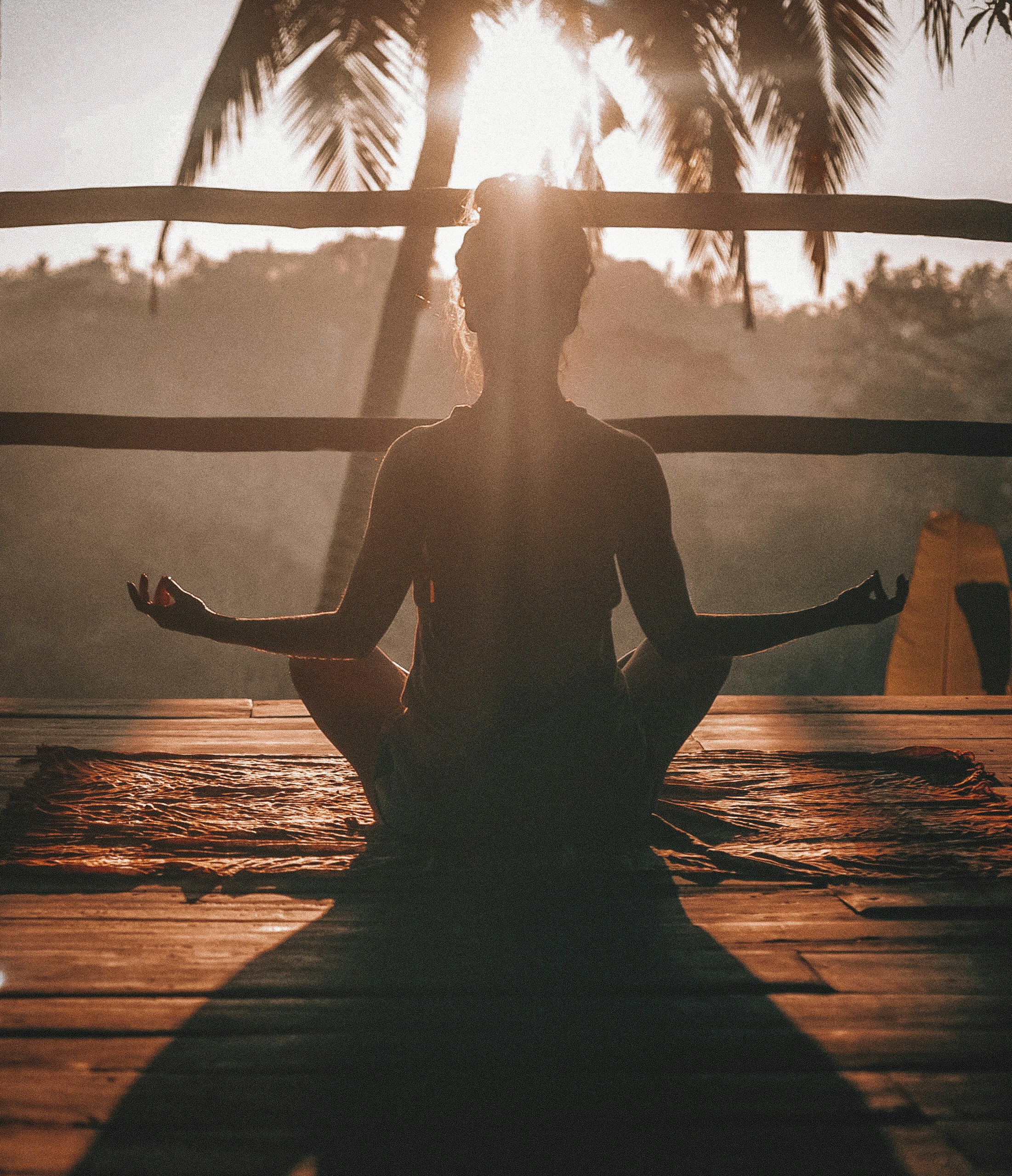
3. Breathing Practices for Stress Reduction
Controlled breathing has always been an important part of Indian wellness traditions.
Mental benefits of mindful breathing:
- Calms the nervous system
- Reduces stress and restlessness
- Improves emotional balance
Even slow, conscious breathing for a few minutes daily supports mental peace naturally.
4. Role of Prayer and Gratitude
Prayer in Indian culture is not limited to religion; it is a method of mental grounding and gratitude.
How it supports mental peace:
- Encourages positive thinking
- Reduces emotional burden
- Creates inner strength and calmness
Gratitude-based practices help shift the mind away from stress and negativity.
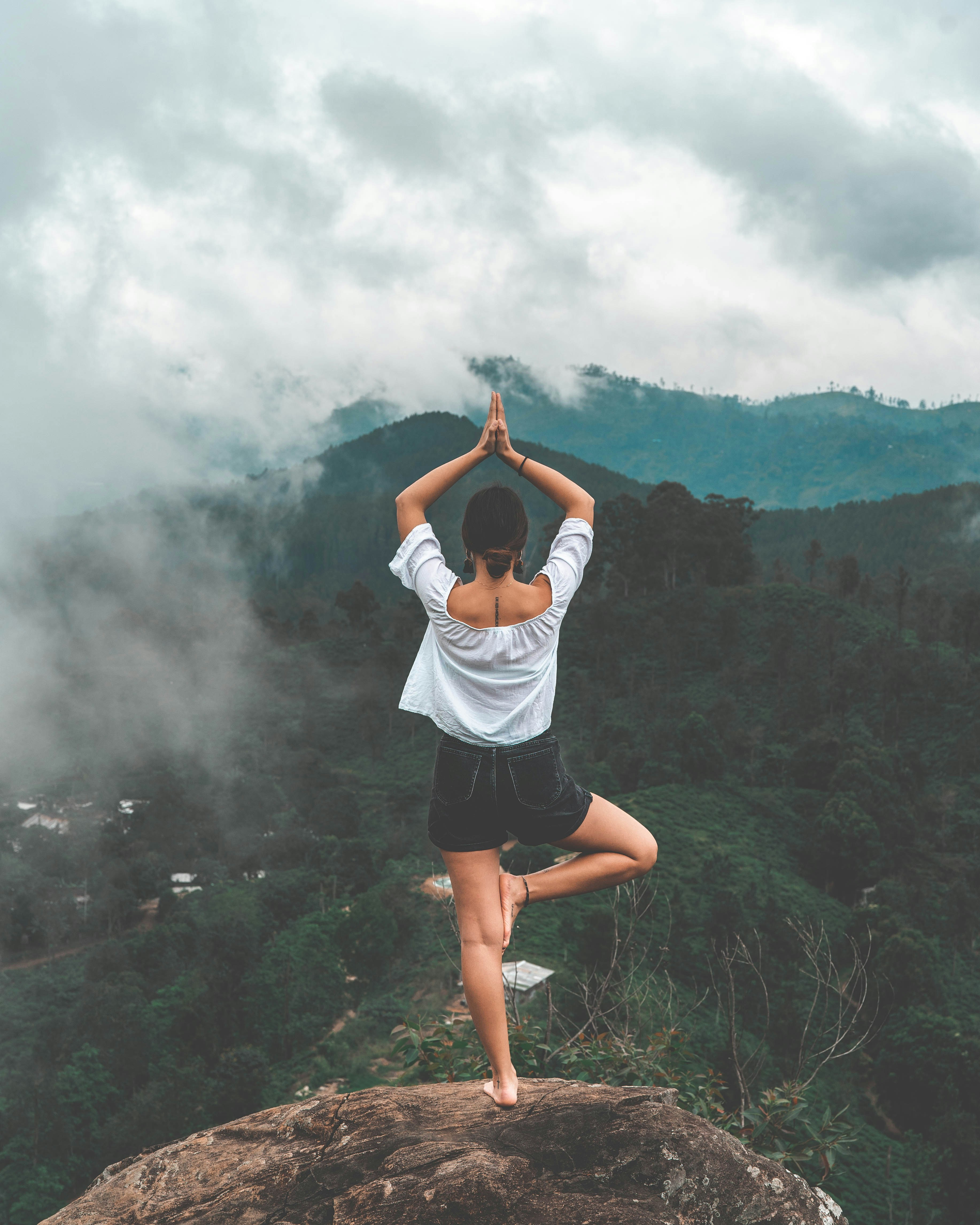
5. Connection with Nature
Indian traditions encourage living close to nature to maintain emotional balance.
Simple natural practices:
- Walking barefoot on natural surfaces
- Spending time in sunlight
- Respecting natural cycles
Nature connection grounds the mind and helps release stress.

6. Simplicity as a Wellness Principle
Simplicity is a core value in Indian traditions for mental peace.
Mental benefits of simple living:
- Less pressure and comparison
- Reduced mental overload
- Greater contentment
A simple lifestyle supports clarity and emotional calm.

Why Indian Traditions for Mental Peace Are Still Relevant
Even today, these traditions remain effective because they:
- Require no special tools
- Are cost-free
- Fit easily into daily life
They focus on long-term mental balance, not temporary relief.
Conclusion
Indian traditions for mental peace provide timeless wisdom for managing stress naturally. Through daily routine, mindful living, breathing practices, gratitude, nature connection, and simplicity, these traditions help cultivate inner calm and emotional stability.
Adopting even a few of these practices can bring meaningful improvement in mental peace and overall well-being
Looking for Meaningful Cultural & Wellness Insights?
Avadhis offers authentic content and guidance inspired by Indian traditions and ancient wellness practices, presented in a simple and respectful way.
👉 View our services | 👉 Contact us