Introduction
“The Meaning of Om (ॐ)Symbol is deeply rooted in Indian spirituality and ancient philosophy. Known as the sound of the universe, Om represents peace, consciousness, and the eternal rhythm of creation. Across temples, yoga studios, meditation centers, and even modern art, the Om symbol continues to inspire millions of people around the world. Understanding the meaning of Om symbol helps us appreciate its spiritual depth as well as its scientific relevance in daily life.
What Does the Meaning of symbol in Hinduism?
In Hindu philosophy, Om is believed to be the first sound of creation — the vibration from which the universe emerged. Ancient scriptures such as the Upanishads describe Om as the essence of ultimate reality or Brahman. The symbol is formed by three syllables — A, U, and M, each carrying deep significance:
- A (Ah) – Creation, associated with Lord Brahma
- U (Oo) – Preservation, associated with Lord Vishnu
- M (Mm) – Transformation or dissolution, associated with Lord Shiva
Together, these sounds represent the cycle of life — birth, existence, and rebirth. Chanting Om is considered a spiritual practice that aligns the mind with divine consciousness. Devotees believe that regular chanting purifies thoughts, increases focus, and strengthens inner awareness. In many Hindu rituals, Om is recited before prayers as a sacred invocation, setting a calm and devotional atmosphere.
Scientific Significance of Om Chanting
While Om has deep spiritual roots, modern science also recognizes its benefits. When a person chants Om slowly, the vocal vibrations travel through the throat, chest, and skull, stimulating the vagus nerve — a key part of the nervous system responsible for relaxation. These vibrations help in:
- Reducing stress and anxiety
- Improving concentration and memory
- Balancing breathing patterns
- Lowering heart rate
- Enhancing emotional stability
Researchers have found that rhythmic chanting of Om can activate alpha brain waves, which are linked to calmness and creativity. The gentle humming sound also improves oxygen flow and encourages mindful breathing. This scientific understanding explains why Om chanting is commonly practiced in yoga and meditation sessions worldwide.Chanting Om also balances energy in the body similar to the concept of the 7 Chakras.
Symbolic Design of the Om Sign
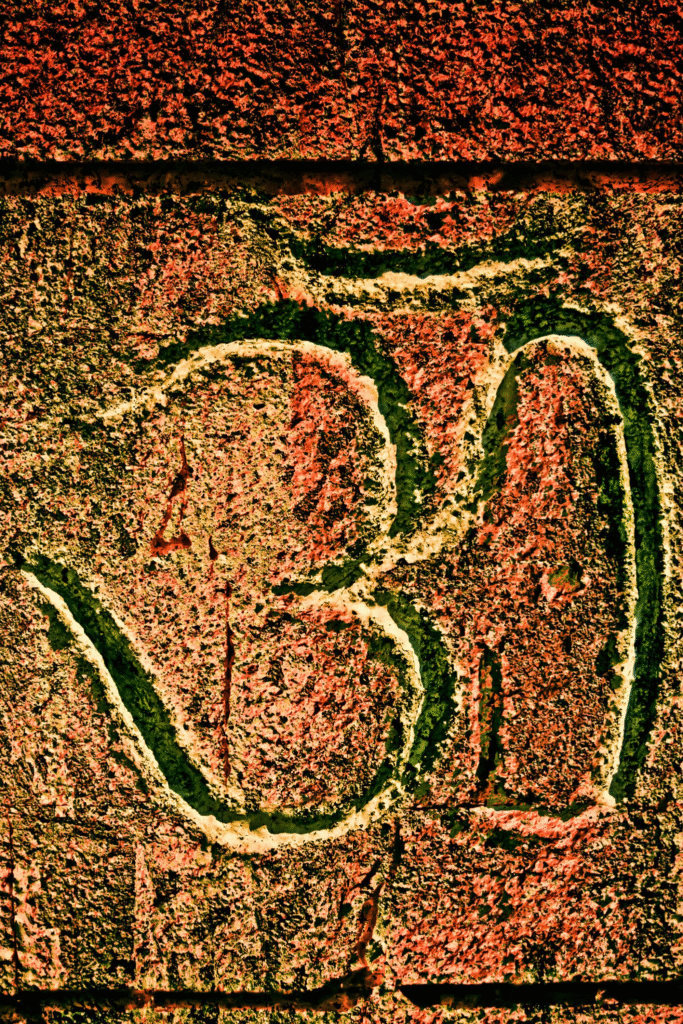
The visual design of the Om symbol also carries meaning. The curves and dots in the symbol are not random; they represent different states of consciousness:
- The large lower curve symbolizes the waking state
- The middle curve represents the dreaming state
- The upper curve indicates deep sleep
- The dot stands for pure consciousness or enlightenment
- The semi-circle separates illusion from reality
This layered symbolism shows that the Om sign is both a sound and a philosophical diagram of human awareness. It reminds individuals to move beyond illusions and seek higher understanding.
Practical Ways to Use Om Daily
You don’t need elaborate rituals to experience the benefits of Om. Simple daily practices can make a difference:
- Morning Chanting: Chant Om 5–10 times after waking up.
- Meditation: Close your eyes and focus on the humming vibration.
- Breathing Exercise: Inhale deeply and exhale while chanting Om slowly.
- Mindful Pause: Use the symbol as a visual cue for calmness during stressful moments.
Even a few minutes of consistent practice can bring noticeable mental clarity and emotional balance.
Conclusion
The meaning of Om symbol goes beyond religion and tradition. It is a blend of spiritual wisdom and scientific benefit, offering peace, focus, and harmony to those who embrace it. Whether chanted in prayer, meditation, or simple breathing exercises, Om acts as a bridge between the inner self and the vast universe. In a fast-moving world, this ancient sound continues to guide people toward calmness, awareness, and unity — proving that timeless symbols can still hold powerful relevance today.